Lotsa Dogs Lotsa Fun

Lotsa Dogs Lotsa Fun
The Big Dogs Wait at The Door

Friday, November 16, 2012

Repost from Live in Nanny on Kids with Dogs

10 Ways to Teach Young Children to Be Nice to Pets
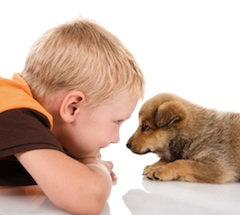
When kids learn to treat animals with gentleness and respect, they also learn about compassion and caring on a larger scale, which are traits that can later be applied to the relationships that they have with fellow humans. For parents of toddlers and young children, imparting these lessons can be a bit of a challenge; here are 10 ways to help your little one understand the importance of treating animals well.
  1. Set a Good Example – Children learn primarily through mimicry. They watch their parents and other authority figures, and then model their own behavior after their observances; one of the best ways to instill a love of animals is to have that same love yourself and to exhibit it often.
  2. Research Local Programs – Your local Humane Society chapter or other animal activism organization is likely to have a program or two specifically directed at helping small children understand the proper treatment of animals. A cursory glance at a local message board or search engine results could net dozens of options.
  3. Take Advantage of Story Time – Most kids love a bedtime story, and there are tons of books on the market written with this very subject in mind. A colorfully illustrated, well-written book about animals and the humans that love them can do wonders for explaining the concept of animal kindness to kids.
  4. Teach Proper Handling of Small Animals – Helping a child to properly hold and handle a small or newborn animal while emphasizing the importance of being gentle is a great way to teach a hands-on lesson about carefully handling animals and never being too rough.
  5. Visit a Petting Zoo – Spending an afternoon at the petting zoo can be a fun and informative experience for kids of all ages, but especially for little ones who wouldn’t ordinarily have the opportunity to interact with such an interesting array of animals or have access to professionals that are trained to help kids learn about them.
  6. Share Interesting Facts – Learning that baby goats are also called “kids” or that butterflies taste with their feet not only entertain children, but also help them to see that animals have their own unique, interesting qualities.
  7. Help at a Shelter – Taking a trip to your local animal shelter to help walk the dogs, feed the cats or do other fun and interactive chores not only makes a difference in your community, but also in your child. It might be best to stick to a privately run no-kill shelter or to be sure that no animals are scheduled to be euthanized during your visit, however, to avoid a traumatic experience.
  8. Study Local Wildlife – A trip to a local nature preserve or national park not only provides kids with a day of no-television fun, but can also help them understand the very important concept that wild animals are not pets, but should be treated with the same respect.
  9. Watch Kid-Friendly Television Programming – While you might want to skip the program chronicling the antelopes’ encounter with a hungry lion, there are plenty of kid-centric animal documentary shows that can provide strong talking points and valuable information.
  10. Get a Pet – After you’re certain that your child understands the basic treatment of animals, introducing a pet into your home is a great way to keep their education going. Even if you live in a small space or urban environment that isn’t conducive to traditional pets, a small hamster or a goldfish can still help give your child a sense of responsibility.
Most small children need to be reminded to be gentle more than anything else, as deliberate cruelty is quite rare in children so young. Kids that show signs of harmful behavior might be struggling with a larger issue. If this is the case the child’s pediatrician should be consulted.

Check out these dog links!
The Doggie Den Homepage

Monday, November 05, 2012

Tips for Enjoying Fall with Your Dog


There’s nothing like the first weeks of crisp, cool air after a sticky summer.  You have more energy and so does your dog, so go ahead and enjoy the gorgeous foliage and catch up on yard work together.  Fall is also a good time to do some basic indoor pet maintenance in preparation for colder weather.
  
Here are some tips for enjoying fall with your dog:

·                      ‘Tis the season for rodents to seek refuge in your house.  If you use poisons do so with extreme caution; make sure your dog has no access to where they are left.  If you suspect your dog has consumed a rodent control product, call the ASPCA 24-hour poison control hotline (888-426-4435) and/or take the dog to the vet immediately.

·                     Dogs love leaf raking time.  The piles you create make for great crash landings and gleeful scattering.  Though that means more work for you, watching pup revel in the action can be so inviting that you just have to join in.  But don’t let pup run through leaf piles that have been left standing.  They can harbor rodents, snakes, fleas, ticks, and worst of all, sharp objects.

·                     It’s a wonderful season for hiking, and nothing thrills your dog like exploring nature’s changing scents.  The cooler weather allows for long, leisurely hikes, but you still need to bring plenty of water.  Before you set out, spend 15 minutes practicing recall in your yard, using her favorite treat as a reward.  Then pack more treats for the hike.  In the fall, snakes are preparing for hibernation and can be particularly grumpy.  Know what kinds of snakes inhabit your area and keep away from trails where they’re likely to be found.  During the hike, call your dog a few times and reward her with a treat.  It’s good practice for potential snake encounters.

·                     Pay special attention to skin and coat care in the fall.  Continue using flea and tick preventives, at least through the first couple of hard frosts.  Like everyone else, those tiny pests are looking for a snug winter hideaway, and there’s no place like your dog’s coat.  Take pup for a fall grooming and ask that the groomer use a flea and tick shampoo to get rid of insects, eggs and larvae that the preventive medication may have missed.  Order extra de-shedding, because your dog is losing her summer coat; you need to make sure there’s room for incoming winter growth. Fall is also a time when allergies, hot spots, and dermatitis act up, so request a soothing skin and coat conditioner.  If the groomer finds rough spots, it’s time to take pup to the vet for a fall check-up.

·                     If you have a puppy, remember that he doesn’t have enough coat to withstand the cold, so limit outdoor time.  When you take him for his fall makeover, ask the groomer to leave lots of coat length – he’ll be shedding in preparation for his adult coat, so this is no time for a shave.

·                     Fall is a time when many people change the engine coolant in their car.  Ethylene glycol-based antifreezes can taste sweet but are highly toxic, so make sure your dog doesn’t drink out of puddles and don’t let him into the garage alone if there is stored antifreeze or spills.  For your own car, consider using a propylene glycol-based coolant; though not completely non-toxic such products are less dangerous than anything containing ethylene glycol.  If you suspect your dog has consumed any kind of antifreeze, call the ASPCA 24-hour poison control hotline (888-426-4435) and/or take him to the vet immediately.

·                     Back to school time means you stock up on fun items like magic markers, glue sticks, and colored pencils.  These supplies smell delicious to your dog, so make sure your kids know to keep them out of reach.  Also, with some of her favorite playmates now away for the day, your pup will likely feel lonely and bored.  Leave interactive toys like Kongs filled with treats to keep her busy while she’s alone.

·                     Better yet, take her to doggy daycare a couple of days a week so she has her own pals; she’ll come home tired and happy.

·                     Check dog-related household equipment to make sure it’s ready for constant use.  Your dog will shed his winter coat all the way through until spring, since indoor temps that are comfortable for us are too warm for him.  It’s a good time for vacuum cleaner maintenance, since you’ll be using it a lot.  Also check the collars, harnesses and leads that you’ll be using for those refreshing fall walks.  Discard anything that’s partially chewed or worn to avoid your dog breaking loose.  Also, make sure you have a pin or slicker brush in tip-top condition, as pup needs frequent brushing while growing and shedding winter coat.

Enjoy this fall with the kids and the family dog, whether you’re cozied in on the couch or outdoors enjoying the foliage!
 

Check out these dog links!
The Doggie Den Homepage

Tuesday, October 09, 2012

Make Your Own Dog Biscuits - Repost from SummerNanny


If you are like most dog owners your 4-legged friend is part of the family and as such you might want to make him some treats.  The treats at the grocery store are full of preservatives that are great if you want your dog treats to last for years, but why not make some yourself that will last a couple of weeks on the counter or a few months in the freezer.  With ingredients found in your pantry and about 10 minutes of your time you can have some healthy dog treats in the oven.
Step 1
Gather up the following ingredients:
  • 1 C. All-purpose flour
  • ¼ C. Whole oats (not quick cook)
  • ¼ C. of dried cranberries
  • ½ T. baking powder
  • ½ C. creamy peanut butter (organic if possible)
  • ½ C. milk
  • 1 T. Olive oil
  • 1 T. applesauce.
Step 2
Preheat the oven to 350 degrees F.  Mix the flour, oats, cranberries and baking powder together in a large bowl.  Add the peanut butter, milk, oil and applesauce to the dry ingredients and stir.
Step 3
Press the ingredients together and transfer them from the bowl to a lightly floured counter.  Knead the dough until it has come together into a nice ball.  If the dough seems too sticky add more flour a tablespoon at a time until the consistency is no longer sticky.  Set dough on a sheet of waxed paper and dust the dough and a rolling pin with flour and roll the dough out until it’s about ½ inch thick.  Using a bone shaped cookie cutter cut out the dog biscuits.  If you don’t have a bone shaped cookie cutter any other cutter will work.
Step 4
Transfer the cut-out shapes to an unlined baking sheet and bake for 20 minutes or until golden brown.  The remaining dough can be rerolled and cut into additional biscuits.
Step 5
When the biscuits have cooled completely store them in an airtight container at room temperature for up to 2 weeks or in the freezer for up to 6 months.  Allow biscuits to sit out for 10 to 20 minutes before serving from the freezer.
Tips
This recipe is adaptable, if your dog has an allergy to white flour substitute for the same amount of rice flour and bake as directed.
According to the FDA’s Center for Veterinarian Medicine dogs should not be given real bones to chew on, like those from a ham or roast.  Chewing on these bones could cause choking, broken teeth, tongue injuries and many more.  Dog biscuits are a safer option.
To dress up the dog biscuits for gift giving, dip one end of the dog biscuit into some melted carob (artificial chocolate) and allow the dipped biscuits to cool on a sheet of waxed paper until the carob has hardened completely.  Carob is safe for dogs, but you should never give dogs real chocolate because some dogs may have a severe allergic reaction.  Fill a cellophane bag with some dipped dog biscuits and tie it with some ribbon.  Add the bag of biscuits to a basket filled with a ball, a leash and some other fun dog gifts for a fun gift basket that would be perfect for any dog lover, or give just the bag of biscuits to all of your friends and neighbors who own dogs.
Make larger dog biscuits for bigger dogs and mini-sized biscuits for your petite dog friends.
With very little effort you can have homemade dog treats for your dog.  The benefits of making your own dog treats are that you can control the ingredients, save money, customize the recipe to match your dog’s preferences or dietary needs, and you can make as many as you need.  Try making some dog biscuits today and your pet will surely thank you

Check out these dog links!
The Doggie Den Homepage

Monday, October 01, 2012

Doggie Daycare Can Increase Your Dog's Social Skills

If you’ve adopted a dog that was in need of a forever home, CONGRATULATIONS! You’ve done a wonderful thing, and your new family member will bring you joy every day.

Adopted dogs come from all kinds of backgrounds, but there’s one common denominator. Most have been in environments where there was limited social interaction. At best, foster homes sometimes provide the opportunity to play with one permanent pet; or your new pet may have occasionally romped in a dog park. However , chances are your dog has been crated or caged a good percentage of the time, for example in a rescue organization’s kennel. At any rate, none of the usual situations allows a pup to meet new play pals and new people under the supervision of skilled dog professionals.

In fact, dogs often acquire bad habits when left to play unsupervised, like getting what they want through dominance or aggression. It’s a bit like a school yard: if there are no adults around, some kids turn into bullies. Similarly, dogs with limited social skills tend to jump up when meeting a new person in order to be at the person’s level and to try to monopolize his or her attention.
The role of a dog daycare attendant is to interrupt behaviors that aren’t acceptable, just like monitoring adults on a kids’ playground. With dogs, though, the line between excitement and aggression is quite thin. Rambunctious play easily explodes into a fight - it’s just the nature of the beast. In the wild, dogs use play to practice their hunting skills, and there’s some of that predatory instinct left in pet dogs.

Trained daycare attendants know when to step in between pups who are overly excited before any aggression shows up. The pups get affectionate praise for toning down the intensity of their play, and are separated (and possibly crated for a couple of minutes) if they insist on being rough with each other.

The best environment for your dog to play safely with other dogs and to meet new people is a doggie daycare. Good doggie daycares hire and train their staff with a view to creating just the right environment for maximum fun and minimum risk. There are rules for meeting a new person, like not jumping up on him or her. Dogs learn to say hello by wagging their tail and looking at the new person with a doggie “smile”. Pushing or scaring other dogs away in order to be first in line for attention leads to a “time out” rather than to affectionate attention; as does mounting another dog, excessive barking or trying to monopolize all of the available toys (this is called “resource guarding”).

Appropriate play leads to praise and cuddles and games of fetch with a daycare attendant.
So taking your pet to a good daycare a couple of times a week has the benefit of improving his social skills, which makes him lots of fun to have around. Because the dog has a life outside your home, he will also acquire self confidence. Pup will feel fine about being away from family for the day; and even better about being picked up at night! And the big plus for owners is that after a hard day at work, you come home to an exhausted pup who just wants to curl up next to you in the evening.

Of course, it’s important to check out a daycare before leaving your dog there. Get references from people who are or have been longtime customers. Ask around to see if dog owners have heard of the establishment. Your vet may also be a good source of information about local daycares. Look for one where the employees have lots of dog experience, and the canine guests get to play, without being crated for most of the day. 

Check out these dog links!
The Doggie Den Homepage

Saturday, September 29, 2012

Dr. Jon on Trimming Your Dog's Nails Without Trauma

A dog's nails are very important parts of their bodies. Dogs are what we call “digitigrade,” meaning that they walk on their toes. Canine nails are made of the same material as ours and also continuously grow like ours do. When left for too long, overgrown nails can cause pain and difficulty walking. That's why having short nails is so important; can you imagine walking on long, pointy nails? Yikes!

But most dogs don't sit placidly while you clip away the excess. Nail trimming is one of the most popular services in pet grooming salons because it's just so darn unpleasant for many dogs. You know the drill… you get ready to trim your dog's nails and somehow he senses that you are about to mess with his paws before you even get started. Now the real fun begins! Your corner him, grab his paw and try to cut his nails. But he's not having it. He begins to fight hard and pull his leg back, and the wrestling match begins.  Eventually you will win (if you're lucky), but he won't make it easy.  And with all that wiggling, fussing and moving, you worry about hurting him or accidentally cutting into the fleshy center of the nail. This can be very painful for your dog and cause the nail to bleed

You stop and think; what can you do? His nails are too long so you persist, praying you won't hurt him.  He "play bites" you, putting his teeth into your hand. Maybe he even begins to bark and growl. The more you try, the wilder he gets. Oh, the drama!

Frustrated, you are tempted to give up. You tell yourself that his nails can grow until they become "weapons of mass destruction" for all you care. But then reason wins out. You know that there is no getting around it - those nails MUST be trimmed.

Now you have a few options.  You can simply pay a groomer or your vet to trim your dog's nails every month, or you can keep struggling. What can you do to make this process less stressful for you both? (Because believe me, your dog doesn't enjoy this either.)

I have some good news. Approaching the problem with a different tool can make things much easier. In fact, the traditional nail clippers that people tend to use on their dogs could be a reason why so many pets hide when it's nail trimming time: the blades can pinch and twist the nail, adding more pain to an already uncomfortable process. A nail grinder may be just what you need to take the sting out of clipping. It does not cut the nail. Instead, it files the nail away a little at a time, eliminating the need for painful bladed clippers and making the experience a much more pleasant one. 

There are many different types of nail grinders on the market. My staff and I have tried them all to find out which one is best. When all was said and done, I really liked the Gentle Paws nail grinder, so I asked one of our veterinarians, Dr. Karin Szust, to take it home and try it on her 5 dogs. Dr. Szust came into the office this morning and told us that she agreed—she really loved this nail grinder. There are lots of great things to say about it (it's easy to handle, powerful, and the results are wonderful) but the most important in my opinion is that the dogs like it. Transitioning to a grinder from clippers can seem difficult at first because many dogs are wary of the noise. But Gentle Paws is quieter than most grinders, and can easily be worked into your dog's routine. Just gradually introduce it to your dog by first letting them investigate it, then leaving the grinder running while you gently pet and reassure them. Karin's dogs warmed up to it very quickly; once the dogs realized that this gadget wasn't going to hurt them, they relaxed and cooperated.

Karin loved Gentle Paws and so did her dogs. Now the dogs have smooth, healthy nails and everybody was happy!

We give Gentle Paws two thumbs up and you will, too!  With Gentle Paws there will be no more struggling and no more painful trimming accidents. It really makes the job quick and easy. And you get smooth, rounded nails in just a few minutes!

Give it a try. This product is in high demand so I suggest that you act now. If it saves you a trip to the groomer or the vet it will pay for itself many times over. To order, go to: www.petproductadvisor.com/gentlepaws

Until next time,
Dr. Jonhttp://www.petplace.com/

Check out these dog links!
The Doggie Den Homepage

Tuesday, September 25, 2012

Abused Greyhound Turns Foster Mom to The Multitudes

In 2003, police in Warwickshire , England , opened a garden shed and found a whimpering, cowering dog. The dog had been locked in the shed and abandoned. It was dirty and malnourished, and had quite clearly been abused.

In an act of kindness, the police took the dog, which was a female greyhound, to the Nuneaton Warwickshire Wildlife Sanctuary, which is run by a man named Geoff Grewcock, and known as a haven for animals abandoned, orphaned, or otherwise in need.

Geoff and the other sanctuary staff went to work with two aims: to restore the dog to full health, and to win her trust. It took several weeks, but eventually both goals were achieved. They named her Jasmine, and they started to think about finding her an adoptive home.


Jasmine, however, had other ideas. No one quite remembers how it came about, but Jasmine started welcoming all animal arrivals at the sanctuary. It would not matter if it were a puppy, a fox cub, a rabbit or, any other lost or hurting animal. Jasmine would just peer into the box or cage and, when and where possible, deliver a welcoming lick.
Geoff relates one of the early incidents. "We had two puppies that had been abandoned by a nearby railway line. One was a Lakeland Terrier cross and another was a Jack Russell Doberman cross. They were tiny when they arrived at the center, and Jasmine approached them and grabbed one by the scruff of the neck in her mouth and put him on the settee. Then she fetched the other one and sat down with them, cuddling them."
"But she is like that with all of our animals, even the rabbits. She takes all the stress out of them, and it helps them to not only feel close to her, but to settle into their new surroundings. She has done the same with the fox and badger cubs, she licks the rabbits and guinea pigs, and even lets the birds perch on the bridge of her nose."
Jasmine, the timid, abused, deserted waif, became the animal sanctuary's resident surrogate mother, a role for which she might have been born. The list of orphaned and abandoned youngsters she has cared for comprises five fox cubs, four badger cubs, fifteen chicks, eight guinea pigs, two stray puppies and fifteen rabbits - and one roe deer fawn. Tiny Bramble, eleven weeks old, was found semi-conscious in a field. Upon arrival at the sanctuary, Jasmine cuddled up to her to keep her warm, and then went into the full foster-mum role. Jasmine the greyhound showers Bramble the roe deer with affection, and makes sure nothing is matted. "They are inseparable," says Geoff. "Bramble walks between her legs, and they keep kissing each other. They walk together round the sanctuary. It's a real treat to see them."


Jasmine will continue to care for Bramble until she is old enough to be returned to woodland life. When that happens, Jasmine will not be lonely. She will be too busy showering love and affection on the next orphan or victim of abuse. Pictured from the left are: "Toby," a stray Lakeland dog; "Bramble," orphaned roe deer; "Buster," a stray Jack Russell; a dumped rabbit; "Sky," an injured barn owl; and "Jasmine," with a mother's heart doing best what a caring mother would do...and such is the order of God's Creation....


Check out these dog links!
The Doggie Den Homepage

Thursday, September 13, 2012

What To Do About Bad Behavior (Repost from Dr. Jon)

Is your dog driving you crazy with his bad behavior? Almost all dogs I know have at least one habit that drives their owner crazy - typically things like chewing up shoes, shredding books, and getting into the garbage. It's a frustrating situation that a lot of owners just don't know how to handle. Sometimes they even resort to ineffective or even damaging methods of punishment as a way to stop the behavior. Don't pull your hair out or punish the dog! Instead, you can figure out what's causing the destructive behavior and eliminate it.

This is easier than it sounds. Behaviors that are considered “bad” are most frequently caused by a small number of issues. Today I'd like to tell you about them, as well as some simple ways to deal with them.

Health issues

If your dog is urinating or defecating inside the house, don't scold him - he may be showing symptoms of a health problem. Excessive scratching and rubbing against furniture can be indicators that your dog has allergies. Persistent gnawing might be an indication of tooth pain or disease. Keep an eye on what your dog is doing, since he might be telling you that something is wrong!

The first thing you should do if your dog starts acting out - especially if he's never done it before - is take your dog in to see the vet. Your vet will be able to diagnose or rule out health problems.

Boredom

Of course, your vet might find that there is nothing wrong physically with your dog. In that case, it's possible that your dog is simply bored! Does your dog have something to do when you're not at home? Do you give him plenty of play time and exercise? When a dog is bored, he might find ways of making his own fun. This can lead to destruction of your things, or even your dog getting into places that can be dangerous to him.

To prevent boredom, give your dog plenty of interactive toys to keep him busy when you aren't there to play with him. Try to take out your dog for runs or take him to a dog park once in a while to keep him active. Training sessions can also help reduce boredom, since they give your dog something to occupy his mind.

Stress and anxiety

Finally, your dog might be acting out because it's the way he expresses stress. Changes in your dog's environment or routine can make him anxious. If your dog starts urinating on ( “marking”) your furniture and home, he might be trying to mark your home as his territory. Think of marking as a billboard that says “This is mine.” A sudden increase in barking and whining can also indicate that your dog is feeling stressed.

To help your dog deal with stress, don't just treat the symptoms; you should aim to reduce or remove the stressor. Of course, this isn't always possible - like when you move to a new house or get a new pet.

In these cases, you can use Comfort Zone with D.A.P. Comfort Zone works by releasing dog pheromones (all-natural stress reducing compounds) into the air. Your dog smells these pheromones and they comfort him, making him feel secure in his environment - without needing to mark his territory or act out in other ways. Comfort Zone has been shown to reduce fear and stress-related destructive behavior by up to 65% according to studies. Your dog feels safe and secure, and you don't have to deal with his destructive behavior anymore - it's a solution that benefits everyone.

You see, if your dog starts displaying negative or “bad” behavior, don't punish him for it! Many times it's a symptom of one of the above causes. Consult with your vet, make sure your dog is getting enough activity and mental stimulation, and use Comfort Zone - and your dog will be back to his normal self in no time!

Until next time,

Dr. Jon


Check out these dog links!
The Doggie Den Homepage

Tuesday, September 11, 2012

The Doggie Den Welcomes Nicole Bonin

The Doggie Den is excited to welcome Nicole Bonin to our grooming team.  She joins Shawna Rubin who has built a loyal, enthusiastic grooming clientele at The Doggie Den.  Nicole graduated from the MA School of Pet Grooming in Medford, MA in 2005.  Then she moved to North Carolina where she worked in two different shops as an all-breed groomer.  Now she has returned to MA. to work at The Doggie Den.  Customers say her clipping and scissoring is the best.  Welcome Nicole.

Check out these dog links!
The Doggie Den Homepage

Wednesday, August 15, 2012

The Fabulous PET ROCK FESTIVAL at Quinsigamond Community College

Come to this years PET ROCK, and get your personalized, signed copy of FOUR SEASONS DOG CARE BY SUSAN LADUE!  Sunday Sept. 9th, noon to 4pm at the Information Tent located just as you enter the festival.

Or get your copy online and Susan will sign it at PET ROCK or at any weekday at THE DOGGIE DEN.  

BOOK DESCRIPTION:  As each season gives way to the next, your dog's needs change, and if you don't pay attention to the right things, life can get complicated. For example, fall is a time when people change the antifreeze in their vehicles, so you need to look out for polluted puddles from which your dog might drink. Similarly, spring brings allergies and itchy skin, but you can avoid expensive vet visits by putting your dog on an antihistamine.

"Four Seasons Dog Care" is a compact compilation of what you should think about, do, and watch out for as the seasons change. Enjoy it as an informative cover-to-cover read, or use it as a handy reference manual. It will help you and your dog make smooth transitions from each season to the next, so you can enjoy the opportunities that the changing weather brings.

Check out these dog links!
The Doggie Den Homepage

Monday, August 13, 2012

Four Seasons Dog Care

Come to PET ROCK FESTIVAL, Sunday, Sept 9th, noon to 4 pm and Susan will sign your copy of Four Seasons Dog Care.  It's at Quinsigamond Community College in Worcester.  Susan'll be at the Information Tent just as you enter the festival. 

DESCRIPTION: As each season gives way to the next, your needs change and so do your dog's! And if you don't pay attention to the right things, your faithful companion can complicate your life when you least need it. For example, fall is a time when people change the antifreeze in their vehicles, so you need to look out for polluted puddles from which your dog might drink. Similarly, spring brings allergies and itchy skin, but you can avoid expensive vet visits by putting your dog on an antihistamine. "Four Seasons Dog Care" is a compact compilation of what you should think about, do, and watch out for as the seasons change. Enjoy it as an informative cover-to-cover read, or use it as a handy reference manual. It will help you and your dog make smooth transitions from each season to the next, so you can enjoy the opportunities that the changing weather brings.

Or buy your copy on amazon.com now and bring it to Pet Rock for Susan to sign.  Click here for more information about Pet Rock.

Check out these dog links!
The Doggie Den Homepage

Saturday, August 04, 2012

Steven May on Summer Heat


Hot Enough for You and Your Dog?

By Steven May of the Daily Growl for Pet News and Views
According to the National Oceanic and Atmospheric Administration, the first six months of 2012 was the hottest on record across the United States, a full 4.5 degrees hotter than the long-term average.  June alone saw 170 U.S. cities tie or break record-high temperatures. Scientists anticipate continual hot temperatures throughout the remainder of summer and beyond so keeping our dogs safe in the heat is of the utmost importance.
Steven May and his dog
To get an idea of what life is like for your dog take off your shoes and take a little walk down a hot sidewalk. Although dogs have pads on their feet, sizzling hot sidewalks, which reach much higher temperatures than the air, can burn their pads. This is just one of the dangers facing our dogs when the thermometer rises but by taking a few, common-sense preventative measures, you can help keep your canine companion cool, comfortable and safe through the “dog days” of summer.
Provide a shaded and well-ventilated area for outdoor exercise
Just as a cold winter shouldn’t eliminate your dog’s exercise needs, neither should a hot summer.  If your backyard is the primary spot for exercise, consider a mister or even running a sprinkler during exercise time. Choose a dog park that has ample shade or adjust your dog’s exercise schedule to take place after the sun goes down and the temperature begins to drop. Unlike humans a dog’s sweat glands, which help regulate temperature, are only found on their noses and pads of their feet.  So it’s essential that we don’t expose our dogs to temperatures that they are not equipped to handle. And while this goes without saying; water-water-water.
Brushing for Ventilation
Mid and long-haired dogs have the added burden of wearing a coat during the summer. While a visit to the groomer can take care of some of the excess fur it’s also important to brush our dogs at least five times a week. This provides extra ventilation for their skin.  And don’t shave your dog
Summer is more than just heat
The summer months also bring an assortment of new plant growth, some of which can be detrimental to our dogs. Of particular concern are foxtails, most typically found in weedy areas which sprout in the spring and turn brown in the summer when the temperature heats up. Foxtails can attach themselves to our dog’s feet, inside their nose and even ear canals. Foxtails can cause extreme discomfort so it’s important to check your dog daily for any intruders.
An Ocean of Lotion
There are many pet-specific sunblocks on the market which should be used in much the same manner as we use them. Don’t think that you’re sunblock will be right for your pet. Many contain chemicals that can be harmful to a dog if ingested. Apply the sunblock frequently to sensitive areas such as the nose, tips of the ears and any area that has little or no hair coverage such as the groin and the belly.  And dress your dog in a T-shirt for extra sun block protection.
Your Car  is a Furnace
On an 85-degree day it only takes about 10 minutes for a car’s interior to climb over 100 degrees with cracking a window doing little to help. Once a dog’s internal temperature reaches 109 degrees heatstroke, and possibly death, is the result. Never leave your dog in an unattended vehicle on a hot day. Ever.
We all know how good it feels to down that ice cold beverage or take a shower or swim on a hot day. And it’s no different for our dogs. As owners it’s our responsibility to not just watch for the symptoms of overheating, such as excessive panting and drooling, staggering and extreme weakness, but to avoid putting our dogs in situations where the heat could potentially hurt them.
About the Author
For 35 years, Steven May has provided his expert pet advice to both the veterinary industry and the general public. The former editor of Vetz Magazine, May now heads the pet website The Daily Growl and has over 113,000 followers on his daily pet advice  Facebook page.

Check out this dog link!
The Doggie Den Homepage

Monday, July 30, 2012

Dr. Jon on Chosing the Right Breed for Your Living Space

Here's Dr. Jon's take on what you should think about when choosing a new dog.  See his website at:
http://www.petplace.com.

Contrary to popular belief, not all dogs need a huge house with a big yard. The size of your home is certainly a factor when choosing a dog that's a good fit for your lifestyle, but having cozy quarters doesn't mean that you need to remain dog-free. Today I want to discuss the real issue of your home's size as it relates to your choice in dogs, and to offer a couple of breed recommendations.

Some dogs aren't a good fit for apartments for several reasons. Their sheer size alone might be a factor; many apartment complexes do not allow dogs over 35 pounds. Dogs who require a lot of activity, such as collies, will likely be frustrated and feel anxious without room to run around. Still other dogs are very intelligent and easily get bored if they are not given enough mental stimulation... and boredom leads to destructive behavior! And other dogs are a no-go because they are very vocal or protective, barking loudly at the slightest noise or movement from neighbors. Giving your dog a safe and responsible home includes one where they will be enjoyed and respected, not constantly scolded or crated for being loud.

Some dogs, though, are an amazing fit for these smaller living spaces. They are the perfect low-key companions for apartment dwellers. Check out these three breeds who can live quite happily and comfortably in an apartment:

Pug - This small breed is a very popular choice for smaller living spaces. Their short fur makes grooming easy, although you must be sure to keep an eye on shedding. At about a foot in height and 20 pounds, they need minimal space and are typically thrilled to cuddle on the couch with you. Pugs also don't need much exercise - in fact, their short faces can make breathing difficult if they exercise too strenuously, so be sure to keep an eye on them if accessing your apartment requires going up and down lots of stairs.

Greyhound - Although the greyhound is a relatively large dog - weighing an average of 65 pounds and standing at 2.5 feet tall -they are relatively low-maintenance. Their soft, short fur is very simple to groom and these big cuddlebugs are frequently called “couch potatoes” for their low-key personalities. They do require regular exercise, however, and must have access to a securely fenced area for running at least a few times a week. If your landlord does not permit dogs over 35 pounds, consider checking out other sighthounds such as whippets or Italian greyhounds; these gentle, quiet, and loving dogs are a wonderful addition to any apartment.

Miniature Schnauzer - The miniature Schnauzer is a loving, faithful dog who thrives on human interaction. The smallest of the Schnauzer family, this miniature breed weighs only about 15 pounds. Unlike the standard and giant Schnauzer, these miniatures don't mind spending time alone. Their reputation as a child-loving dog makes them a good option for a family.

There are many more breeds that are great for living in apartments. You can learn more about apartment-friendly breeds at this link. Once you know what kind of puppy will do well in your home, don't forget to read up about everything you need to know about choosing and getting a puppy right here. And finally, when you're ready to find your new companion, check out this link to find a new pet near you.


There are many adorable dogs out there, but don't be swayed by a cute face. A pet is for life so carefully consider their needs from puppyhood to maturity.

Until next time,

Dr. Jon

   
P.S. - What if you're on the other end of the spectrum and have a lot of room? Maybe you are interested in discovering which dogs will be best for your children or senior family members. You can find the perfect dog to fit your lifestyle by reading all about different breeds right here at this link.


Check out these dog links!
The Doggie Den Homepage
www.facebook.com/thedoggieden

Thursday, July 26, 2012

Canine Reiki Treatments from Mary Oquendo

Mary Oquendo is the owner of Pawsitively Pretty Mobile Grooming Salon in Danbury, CT and has been in the pet industry for the past 10 years.  She is one of only three Certified Master Pet Tech Instructors. In addition, she is a Certified Canine Specialist. She is a feature writer on a trade blog. She teaches pet first aid on a national level and is a featured speaker at educational trade conferences. Mary also trains people to become pet first aid instructors and offers professional consultation to pet professionals. 

Mary is a Reiki Master trained in the Usui System of Natural Healing. She works with animals in their home in the Danbury, CT area. She also offers Attunement classes. Check her website for upcoming dates.

What is Reiki?
Reiki is an ancient healing system in which the practitioner channels the Universal Life Force energy that surrounds us into the pet in need. Mary uses a gentle hands on the body or just above in the pets physical aura. She also offers long distance Reiki, which is used in hospitals and shelters.

Benefits of Reiki
*Deep relaxation. It reduces stress and tension.
*Renews strength and vitality.
*Improves body functions.
*Strengthens the immune system.
*Relieves the effects of chemotherapy.
*Speeds healing of wounds, fractures, and surgerical procedures.
*Relieves aches and pains.
*Removes energy blocks.
*Eases their transition to the Rainbow Bridge.

Reiki is a valuable component of an overall balanced health maintenance program that includes traditional veterinary care. Mary encourages an open dialogue between you and your veterinarian regarding her offerings. She emphasizes that her services supplement veterinary care but do not replace it.

Check out this dog link!
The Doggie Den Homepage

Friday, July 20, 2012

Excellent Hot Weather Advice from the ASPCA

 I'm reposting this from http://www.aspca.org/pet-care/pet-care-tips/hot-weather-tips.aspx

 Hot Weather Tips

woman walking dogs outside We all love spending the long, sunny days of summer outdoors with our furry companions, but being overeager in hot weather can spell danger, ASPCA experts warn.
"Most people love to spend the warmer days enjoying the outdoors with friends and family, but it is important to remember that some activities can be dangerous for our pets," said Dr. Camille DeClementi, Senior Toxicologist at the ASPCA's Animal Poison Control Center. "By following a few simple rules, it is easy to keep your pet safe while still having fun in the sun."
Take these simple precautions, provided by ASPCA experts, to help prevent your pet from overheating. And if you suspect your pet is suffering from heat stroke, get help from your veterinarian immediately.

Visit the Vet 
A visit to the veterinarian for a spring or early summer check-up is a must. Make sure your pets get tested for heartworm if they aren't on year-round preventive medication. Do parasites bug your animal companions? Ask your doctor to recommend a safe flea and tick control program.

Made in the Shade
Pets can get dehydrated quickly, so give them plenty of fresh, clean water when it's hot outdoors. Make sure your pets have a shady place to get out of the sun, be careful to not over-exercise them, and keep them indoors when it's extremely hot.

Know the Warning Signs 
Symptoms of  overheating in pets include excessive panting or difficulty breathing, increased heart and respiratory rate, drooling, mild weakness, stupor or even collapse. They can also include seizures, bloody diarrhea and vomit along with an elevated body temperature of over 104 degrees. Animals with flat faces, like Pugs and Persian cats, are more susceptible to heat stroke since they cannot pant as effectively. These pets, along with the elderly, the overweight, and those with heart or lung diseases, should be kept cool in air-conditioned rooms as much as possible.

No Parking!
Never leave your animals alone in a parked vehicle. "On a hot day, a parked car can become a furnace in no time-even with the windows open-which could lead to fatal heat stroke," says Dr. Louise Murray, Vice President of ASPCA Bergh Memorial Animal Hospital. Also, leaving pets unattended in cars in extreme weather is illegal in several states.

Make a Safe Splash
Do not leave pets unsupervised around a pool-not all dogs are good swimmers. Introduce your pets to water gradually and make sure they wear flotation devices when on boats. Rinse your dog off after swimming to remove chlorine or salt from his fur, and try to keep your dog from drinking pool water, which contains chlorine and other chemicals that could cause stomach upset.

Screen Test 
"During warmer months, the ASPCA sees an increase in injured animals as a result of High-Rise Syndrome, which occurs when pets-mostly cats-fall out of windows or doors and are seriously or fatally injured," says Dr. Murray. "Pet owners need to know that this is completely preventable if they take simple precautions." Keep all unscreened windows or doors in your home closed and make sure adjustable screens are tightly secured.

Summer Style
Feel free to trim longer hair on your dog, but never shave your dog: The layers of dogs' coats protect them from overheating and sunburn. Brushing cats more often than usual can prevent problems caused by excessive heat. And be sure that any sunscreen or insect repellent product you use on your pets is labeled specifically for use on animals.

Street Smarts 
When the temperature is very high, don't let your dog linger on hot asphalt. Being so close the ground, your pooch's body can heat up quickly, and sensitive paw pads can burn. Keep walks during these times to a minimum.

Avoid Chemicals 
Commonly used flea and tick products, rodenticides (mouse and rat baits), and lawn and garden insecticides can be harmful to cats and dogs if ingested, so keep them out of reach. When walking your dog, steer clear of areas that you suspect have been sprayed with insecticides or other chemicals. Keep citronella candles, oil products and insect coils out of pets' reach as well. Call your veterinarian or the ASPCA Animal Poison Control Center at (888) 426-4435 if you suspect your animal has ingested a poisonous substance.

Party Animals
Taking Fido to a backyard barbeque or party? Remember that the food and drink offered to guests may be poisonous to pets. Keep alcoholic beverages away from pets, as they can cause intoxication, depression and comas. Similarly, remember that the snacks enjoyed by your human friends should not be a treat for your pet; any change of diet, even for one meal, may give your dog or cat severe digestive ailments. Avoid raisins, grapes, onions, chocolate and products with the sweetener xylitol.

Fireworks Aren't Very Pet-riotic
Please leave pets at home when you head out to Fourth of July celebrations, and never use fireworks around pets. Exposure to lit fireworks can potentially result in severe burns or trauma to curious pets, and even unused fireworks can be hazardous. Many types of fireworks contain potentially toxic substances such as potassium nitrate, copper, chlorates, arsenic and other heavy metals.

Check out these dog links!
The Doggie Den Homepage

Don't Shave Your Dog!

Excellent advice from the ASPCA:  Click here for ASPCA blog.

Nearly everywhere in America, this summer is a scorcher, and we know that as a responsible pet parent, you want to do everything you can to keep your best four-legged friends cool. So when you look at your Pomeranian, Golden Retriever or long-haired cat wearing a thick, fluffy coat, you might feel tempted to break out your grooming tools and give him a serious hair cut. But hold those clippers! While you or I would hate to sport a fur coat in 100-degree weather, your pets’ fur coats are actually providing them with heat relief.

“A dog’s coat is kind of like insulation for your house,” explains Dr. Louise Murray, Senior Vice President of ASPCA Bergh Memorial Hospital. “Insulation stops your home from getting too cold in winter, but it also keeps it from overheating in summer—and your dog’s coat does the same thing.”
Dogs’ coats have several layers, and these layers are essential to your dog’s comfort in the heat. Robbing your dog of this natural cooling system can lead to discomfort and overheating. And keeping your dog cool isn’t the only reason to leave his coat intact, Dr. Murray warns. Your dog’s coat prevents your pup from getting sunburn and helps protect her from skin cancer.

So what can you do? “It’s OK to trim your long-haired dog’s long hair, such as any hair that hangs down on his legs,” Dr. Murray says. Just never attempt to clip mats off your pet’s coat with scissors, Dr. Murray adds. And if you’ve got a long-haired kitty, leave her coat intact. Instead, brush her a little more frequently during the hot summer months.

To protect your pet from sunburn and skin cancer, save longer walks for evenings, and consider applying pet-specific sun block to thinly covered areas like the bridge of your dog’s nose, the tips of his ears and his belly, Dr. Murray suggests, noting that pets with thin coats, as well as those with white or light-colored coats, are especially at risk for sun damage.

Of course, pet parents should remember to keep pets inside with plenty of water during hot days—hydration is key! For more important information on summer pet care, visit our Hot-Weather Tips.


Check out these dog links!
The Doggie Den Homepage