Below are Dr. Jon's suggestions for alleviating separation anxiety. He publishes on petplace.com. https://bay002.mail.live.com/default.aspx?id=64855#n=880813660&fid=1&mid=d0b00541-6ecb-11e2-a191-00215ad80204&fv=1
But at The Doggie Den we have an even better idea: ENROLL YOUR DOG IN DOGGY DAYCARE! The Doggie Den
I've heard of lots of creative ways to ease your pets' stress, like
leaving the TV or radio on for "company" when they are home alone.
Unfortunately, that could actually be doing more harm than good. Studies
have suggested that TV and radio can actually CREATE stress for our pets because of the drastic changes in programming and the random mix of musical styles.
Think about it - how scared would you be if you suddenly heard gunshots, sirens, or dogs barking?
The TV and radio certainly create "noise," but they don't necessarily create a relaxed environment.
Dog
owners sometime ask me, “Does music soothe pets the same way it can
relax people?" The answer is "yes" - but it depends on the music.
Studies
have been done to examine the relationship between music and stress,
and some of the results might
surprise you. All music is not the same…and neither is the effect on
animals. Classical harp music is used around the world to help alleviate
stress in dogs, cats, chimpanzees and other animals. Even animal
shelters are installing sound systems and using music to create a more
serene environment.
In particular, studies show that dogs and cats
seem to show lower levels of stress when exposed to classical music.
Cats will relax in front of the speakers when classical music is
playing, and many dogs will actually bark less - especially when
listening to the music of Bach.
That's why I want to tell you about the Music My Pet CD.
This remarkable "Classic Cuts" CD was developed for the specific purpose of calming our pets. It uses the sounds that have been proven to calm dogs, cats and
other household pets. Music My Pet
was created by the same folks that brought you Disney's award-winning
Baby Einstein series for kids, so this is music for pets at its very
best.
Check out these dog links!
The Doggie Den Homepage
Lotsa Dogs Lotsa Fun

The Big Dogs Wait at The Door
Monday, February 04, 2013

Friday, January 25, 2013
Brrrr - It's Cold Outside and Your Dog Feels It Too!
Here's what Dr. Jon has to say about keeping your dog safe and happy in the dead of winter:
The reality is that, for most of my US readers winter is here and it is not leaving anytime soon.
So what can you do if you are stuck indoors with your dog?
Well, believe it or not this can be a GREAT opportunity to have fun with your dog and pamper them at the same time. Today I'd like to share some of my favorite suggestions to make this cold, dreary season into one that you both look forward to. Take a look:
Until next time,
Dr. Jon
Check out these dog links!
The Doggie Den Homepage
The reality is that, for most of my US readers winter is here and it is not leaving anytime soon.
So what can you do if you are stuck indoors with your dog?
Well, believe it or not this can be a GREAT opportunity to have fun with your dog and pamper them at the same time. Today I'd like to share some of my favorite suggestions to make this cold, dreary season into one that you both look forward to. Take a look:
- Help your dog relax with a soft, warm new bed. Shopping for a bed? Here are some tips on what to look for in a bed before you shop. This is interesting because there are really important features that I hadn't thought of. Go to How to Choose a Good Dog Bed.
- Soak up the sun by opening the shades or curtains and giving your dog a nice place to nap.
- Don't keep them outside too long. It is extremely cold in many areas of the country. Frigid temperatures pose a real risk to dogs, especially when frostbite becomes a possibility or if they get wet. Keep them dry and limit outside time during temperature extremes. Be especially careful on windy days as wind chill can greatly increase the risk of injury. For more information go to: How Does the Wind Chill Affect Pets. You'll be surprised about what you'll learn in this article.
- Keep things active. Dogs want and need exercise all year round. Physical activity is good for the muscles, allows your dog to expel excess energy, keeps him mentally stimulated and helps prevent boredom. When he does come in, dry his paws with a soft cloth. This will keep your home clean and get rid of snow, ice and salt that may otherwise get tracked in.
- Have fun! Just because it is winter doesn't mean you can't still play games. Here are some very cute ideas. Go to: Beyond Snowballs - Winter Games to Play with Your Dog.
- Be safe, not lazy. When it is cold, many pet owners are tempted to let their dogs "out" on their own. Bundle up and take him out on a leash as usual. Allowing your dog to go out unsupervised is a common way for dogs to end up lost or injured. It is really common for dogs to be let out and get hit by a car when it is cold (and their owners don't want to take them out).
- Make sure your home is safe. Keep objects your pet may chew and ingest out of their reach. Keep toxins (such as anti-freeze) safely put away. Prevent exposure to all human medications.
Until next time,
Dr. Jon
Check out these dog links!
The Doggie Den Homepage
Wednesday, January 23, 2013
Dr. Jon on Your Dog's Dry Winter Skin

Believe it or not, some dogs experience discomfort and frustration every winter because of their fur and skin. The cold, dry air of winter can give your dog flaky, rough, painful skin. This in turn can lead to everything from a dull coat to scratching and even hot spots or skin lesions.
Your dog doesn't have to summer just because of the weather. Stop winter in its tracks by taking some time to prepare your dog for the season. Today I'd like to share some tips that can help alleviate these symptoms.
First things first, remember that a major factor in irritated skin is dry winter air. As soon as temperatures start dropping, a humidifier can help prevent symptoms. (As a bonus, this can also help protect the humans in the household from similar problems.
But what about times like now, when it's already in the middle of winter? Is it too late to help? Don't worry, your dog isn't doomed to suffer for the next several months. You can help him right now too! Keep these things in mind if your dog has dry, itchy skin:
Rule out health problems: Even though flaky skin and a dry coat are common during winter, they can also indicate a more serious health problem. If you notice these symptoms, the first step should be to have your vet rule out any medical issue.
Bundle up for walks: Some dog owners dress up their dogs for fun, but during the winter months your pooch will actually benefit from wearing a coat during walks. This will not only keep him warm, it will also protect him from the effects of the dry frigid air. This is especially important during windy days when wind chill significantly increases the risk of frostbite.
Groom regularly: How frequently do you brush your dog? If your answer is “not often,” it's a good idea to start grooming your dog more. Brushing your dog's fur stimulates the production of the very oils that keep your dog's skin moisturized. It also evenly distributes those oils throughout his coat, leaving it shiny and healthy. Be careful though; more grooming does not mean more bathing! Frequent baths wash away the same healthy oils that help your dog's skin stay healthy, so don't bathe your dog more than once a week unless recommended by your vet.
Rethink their diet: One of the most common causes for dry skin is something most people don't consider: their dog's diet. Poor nutrition can lead to a dull coat and dry skin. You might think your dog is eating right, but poor skin is one very big sign that their diet needs an update. Make sure that your dog is getting a diet rich in proteins, fatty acids, and other nutritional needs. Consider switching to an all-natural dog food that will provide your dog with all that they need to be healthy.
Reprinted from Dr. Jon's Dog Crazy Newsletter
Check out these dog links!
The Doggie Den Homepage
Thursday, November 29, 2012
Here Come the Holidays!

So
it's the holidays. Christmas cookies, potato latkes, fruit cakes, punch bowls,
chocolate Santas and Hanukkah gelt: whatever your tradition, it surely involves
rich treats. So this is also the time of the year to remind ourselves that
holiday treats are dangerous for dogs.
This is true almost without exception. Chocolate is downright toxic and can kill your
dog, if she consumes a lot of it. Other
holiday specialties will make her ill in varying degrees. Alcohol is a disaster. It's not funny to watch your dog lap up spiked
eggnog. Really, it isn't. It could make
her suffer, and could transform your holiday into a vigil at an animal
hospital.
Similarly,
dogs can’t digest oily latkes, or shortening-rich fruitcake. Mostly, what goes
in comes out, the latter inevitably in the middle of the night, after you’ve
stayed up partying and are
exhausted.
So make, and keep, a rule that the dog only gets treats that are meant for her.
Festive holiday dog treats are available at pet stores everywhere. Take
advantage, and make sure your family understands whose treats are whose!
Here
are 5 tips to help avoid an emergency vet visit and enjoy your Hanukkah:
1. Sufganiyot – Otherwise known as doughnuts,
they are filled with artificial sugars, jelly, fat, and empty calories. They’re
a delicious treat for us, but can cause vomiting, diarrhea, and decreased
appetites for
dogs.
Be very careful to not let your canine buddy get any of these doughnuts and
make sure he can’t counter surf and lick up ingredients that are lying about.
2. Latkes – They are savory and they taste
amazing, but they have onion in them. Onions can cause anemia in dogs. Also, the oil, sour cream, and other
ingredients are bound to upset your dog’s stomach.
3. Chocolate coins – This is a traditional candy that children receive, and they’re wrapped in shiny gold and silver foil. The foil, chocolate, and netting that they come in can be dangerous to your dog’s entire GI tract. Chocolate contains caffeine and theobromine, which dogs cannot digest, and in extreme cases they can be fatal. If your dog swallows the foil and net bag, induce vomiting immediately. A teaspoonful of diluted hydrogen peroxide in an eye dropper will do the trick.
4. Dreidels – They’re great toys for kids and but you don’t want your dog in the game. She’ll want to join in the fun and try to pick the dreidel up in her mouth. If your dog swallows a dreidel, or any small object, induce vomiting and call the vet. Keep all game pieces out of your dog’s reach.
5: The Menorah – This is an essential symbol for Hanukkah, but the candles that you light each night pose a danger if your dog likes to jump up, leap over things, or generally race around the house. The menorah could fall over or singe her nose or fur. Keep the menorah up high and out of pup’s reach. Make sure it’s on a stand or other stable surface so if your dog comes galloping into the room, she doesn’t shake it loose and start a fire.
And
here are some tips to make Christmas fun for your family and the dog:
First,
be aware of holiday hazards, and supervise your dog when he's exposed to them.
For example tinsel, Christmas lights, wires, glass ornaments, poinsettias,
mistletoe, and other holiday decorations can be deadly if chewed. Don't leave pup alone with any hazardous
materials, not even for a minute! You
don’t want Christmas to be interrupted by an emergency visit to a veterinary
hospital.
To help pup share in the fun, place dog-safe toys and ornaments on the bottom branches of your tree, and let him play with them. You can find them at any pet store. Attach them with string, not wire. And beware of chewing on evergreen branches or pine needles.
Of course, he’ll make every effort to convince you to share your Christmas pudding, don’t give in! Dogs' digestive systems are quite different from ours. Their intestines are much shorter, and they digest very quickly, a trait left over from the wild where it was necessary to get protein into the system quickly. They absolutely cannot process ingredients that we take for granted, such as nuts, holiday spices, and hydrogenated fat. So, if you don't want to get up at 4 am on a cold winter’s night, limit your pup to treats that are intended for him.
To help pup share in the fun, place dog-safe toys and ornaments on the bottom branches of your tree, and let him play with them. You can find them at any pet store. Attach them with string, not wire. And beware of chewing on evergreen branches or pine needles.
Of course, he’ll make every effort to convince you to share your Christmas pudding, don’t give in! Dogs' digestive systems are quite different from ours. Their intestines are much shorter, and they digest very quickly, a trait left over from the wild where it was necessary to get protein into the system quickly. They absolutely cannot process ingredients that we take for granted, such as nuts, holiday spices, and hydrogenated fat. So, if you don't want to get up at 4 am on a cold winter’s night, limit your pup to treats that are intended for him.
So,
what about dress up? By all means! Hats, suits, collars, boots, it's all good.
Just remember that dogs in costumes should be supervised at all times. Left alone, they may treat their adorable
dreidel coat or reindeer antlers as toys, which means “chew baby, chew!” And
dog accessories are definitely not safe for eating.
So
have a fun, happy holiday season - and help your pup to have one too!
Holiday puppies: a big no-no!
By November,
your local puppy store is in high gear. They’re out to convince you that
puppies make the perfect holiday gift. What could be cuter than a new puppy on Christmas
morning? Or a cuddly new family member
the first night you light the menorah?
Actually, it would be hard to make a worse choice! Reputable breeders are loath to sell in December, because they know that by February the puppy is likely to find himself abandoned in a dog shelter or, if he's lucky, returned to the breeder.
Actually, it would be hard to make a worse choice! Reputable breeders are loath to sell in December, because they know that by February the puppy is likely to find himself abandoned in a dog shelter or, if he's lucky, returned to the breeder.
The holidays are
a busy, stressful time and people are exhausted. It's a time when we struggle to meet our
regular commitments, along with preparing for the holidays. It's certainly not a time to take on the work
of a new puppy.
A couple weeks
into January, the kids will be back in school, mom and dad will be rushing off
to work every morning. The weather will make you want to hibernate. Just when everyone could use a break, that
adorable puppy will be soiling the carpets, chewing on furniture, stealing
food, throwing up in baskets of clean laundry, and generally acting out of control.
If your family is ready for a dog, wait until February or March when things have calmed down, and warmer weather is on the way. Cold weather makes house training difficult, if not impossible; and the spirit of the season prevents you from making a realistic decision about a new dog. In the spring your family will spend more time outside, and feel a greater inclination to train the new family member.
If your family is ready for a dog, wait until February or March when things have calmed down, and warmer weather is on the way. Cold weather makes house training difficult, if not impossible; and the spirit of the season prevents you from making a realistic decision about a new dog. In the spring your family will spend more time outside, and feel a greater inclination to train the new family member.
Check out these dog links!
The Doggie Den Homepage
Friday, November 16, 2012
Repost from Live in Nanny on Kids with Dogs
10 Ways to Teach Young Children to Be Nice to Pets
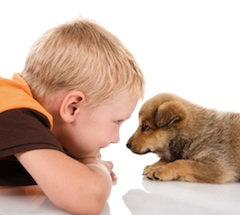 When
kids learn to treat animals with gentleness and respect, they also
learn about compassion and caring on a larger scale, which are traits
that can later be applied to the relationships that they have with
fellow humans. For parents of toddlers and young children, imparting
these lessons can be a bit of a challenge; here are 10 ways to help your
little one understand the importance of treating animals well.
When
kids learn to treat animals with gentleness and respect, they also
learn about compassion and caring on a larger scale, which are traits
that can later be applied to the relationships that they have with
fellow humans. For parents of toddlers and young children, imparting
these lessons can be a bit of a challenge; here are 10 ways to help your
little one understand the importance of treating animals well.- Set a Good Example – Children learn primarily through mimicry. They watch their parents and other authority figures, and then model their own behavior after their observances; one of the best ways to instill a love of animals is to have that same love yourself and to exhibit it often.
- Research Local Programs – Your local Humane Society chapter or other animal activism organization is likely to have a program or two specifically directed at helping small children understand the proper treatment of animals. A cursory glance at a local message board or search engine results could net dozens of options.
- Take Advantage of Story Time – Most kids love a bedtime story, and there are tons of books on the market written with this very subject in mind. A colorfully illustrated, well-written book about animals and the humans that love them can do wonders for explaining the concept of animal kindness to kids.
- Teach Proper Handling of Small Animals – Helping a child to properly hold and handle a small or newborn animal while emphasizing the importance of being gentle is a great way to teach a hands-on lesson about carefully handling animals and never being too rough.
- Visit a Petting Zoo – Spending an afternoon at the petting zoo can be a fun and informative experience for kids of all ages, but especially for little ones who wouldn’t ordinarily have the opportunity to interact with such an interesting array of animals or have access to professionals that are trained to help kids learn about them.
- Share Interesting Facts – Learning that baby goats are also called “kids” or that butterflies taste with their feet not only entertain children, but also help them to see that animals have their own unique, interesting qualities.
- Help at a Shelter – Taking a trip to your local animal shelter to help walk the dogs, feed the cats or do other fun and interactive chores not only makes a difference in your community, but also in your child. It might be best to stick to a privately run no-kill shelter or to be sure that no animals are scheduled to be euthanized during your visit, however, to avoid a traumatic experience.
- Study Local Wildlife – A trip to a local nature preserve or national park not only provides kids with a day of no-television fun, but can also help them understand the very important concept that wild animals are not pets, but should be treated with the same respect.
- Watch Kid-Friendly Television Programming – While you might want to skip the program chronicling the antelopes’ encounter with a hungry lion, there are plenty of kid-centric animal documentary shows that can provide strong talking points and valuable information.
- Get a Pet – After you’re certain that your child understands the basic treatment of animals, introducing a pet into your home is a great way to keep their education going. Even if you live in a small space or urban environment that isn’t conducive to traditional pets, a small hamster or a goldfish can still help give your child a sense of responsibility.
Check out these dog links!
The Doggie Den Homepage
Tuesday, November 06, 2012
Monday, November 05, 2012
Tips for Enjoying Fall with Your Dog

There’s nothing like the first weeks of
crisp, cool air after a sticky summer.
You have more energy and so does your dog, so go ahead and enjoy the
gorgeous foliage and catch up on yard work together. Fall is also a good time to do some basic
indoor pet maintenance in preparation for colder weather.
Here are some tips for enjoying fall
with your dog:
·
‘Tis the season for rodents to seek refuge in your house. If you use poisons do so with extreme caution; make sure your dog has no
access to where they are left. If you
suspect your dog has consumed a rodent control product, call the ASPCA 24-hour
poison control hotline (888-426-4435) and/or take the dog to the vet
immediately.
·
Dogs
love leaf raking time. The piles you create make for great crash
landings and gleeful scattering. Though
that means more work for you, watching pup revel in the action can be so
inviting that you just have to join in.
But don’t let pup run through leaf piles that have been left
standing. They can harbor rodents,
snakes, fleas, ticks, and worst of all, sharp objects.
·
It’s
a wonderful season for hiking,
and nothing thrills your dog like exploring nature’s changing scents. The cooler weather allows for long, leisurely
hikes, but you still need to bring plenty of water. Before you set out, spend 15 minutes
practicing recall in your yard, using her favorite treat as a reward. Then pack more treats for the hike. In the fall, snakes are preparing for hibernation
and can be particularly grumpy. Know
what kinds of snakes inhabit your area and keep away from trails where they’re
likely to be found. During the hike,
call your dog a few times and reward her with a treat. It’s good practice for potential snake
encounters.
·
Pay
special attention to skin and coat care
in the fall. Continue using flea and
tick preventives, at least through the first couple of hard frosts. Like everyone else, those tiny pests are
looking for a snug winter hideaway, and there’s no place like your dog’s
coat. Take pup for a fall grooming and
ask that the groomer use a flea and tick shampoo to get rid of insects, eggs
and larvae that the preventive medication may have missed. Order extra de-shedding, because your dog is
losing her summer coat; you need to make sure there’s room for incoming winter
growth. Fall is also a time when allergies, hot spots, and dermatitis act up,
so request a soothing skin and coat conditioner. If the groomer finds rough spots, it’s time
to take pup to the vet for a fall check-up.
·
If
you have a puppy, remember that
he doesn’t have enough coat to withstand the cold, so limit outdoor time. When you take him for his fall makeover, ask
the groomer to leave lots of coat length – he’ll be shedding in preparation for
his adult coat, so this is no time for a shave.
·
Fall
is a time when many people change the engine
coolant in their car. Ethylene
glycol-based antifreezes can taste sweet but are highly toxic, so make sure
your dog doesn’t drink out of puddles and don’t let him into the garage alone
if there is stored antifreeze or spills.
For your own car, consider using a propylene glycol-based coolant;
though not completely non-toxic such products are less dangerous than anything
containing ethylene glycol. If you
suspect your dog has consumed any kind of antifreeze, call the ASPCA 24-hour
poison control hotline (888-426-4435) and/or take him to the vet immediately.
·
Back to school time means you stock up on fun items
like magic markers, glue sticks, and colored pencils. These supplies smell delicious to your dog,
so make sure your kids know to keep them out of reach. Also, with some of her favorite playmates now
away for the day, your pup will likely feel lonely and bored. Leave interactive toys like Kongs filled with
treats to keep her busy while she’s alone.
·
Better
yet, take her to doggy daycare a couple of days a week so she has her own pals;
she’ll come home tired and happy.
·
Check dog-related household equipment to
make sure it’s ready for constant use.
Your dog will shed his winter coat all the way through until spring,
since indoor temps that are comfortable for us are too warm for him. It’s a good time for vacuum cleaner
maintenance, since you’ll be using it a lot.
Also check the collars, harnesses and leads that you’ll be using for
those refreshing fall walks. Discard
anything that’s partially chewed or worn to avoid your dog breaking loose. Also, make sure you have a pin or slicker
brush in tip-top condition, as pup needs frequent brushing while growing and
shedding winter coat.
Enjoy this fall with the kids and the
family dog, whether you’re cozied in on the couch or outdoors enjoying the
foliage!
Check out these dog links!
The Doggie Den Homepage
Tuesday, October 09, 2012
Make Your Own Dog Biscuits - Repost from SummerNanny

If you are like most dog owners your 4-legged friend is part of the family and as such you might want to make him some treats. The treats at the grocery store are full of preservatives that are great if you want your dog treats to last for years, but why not make some yourself that will last a couple of weeks on the counter or a few months in the freezer. With ingredients found in your pantry and about 10 minutes of your time you can have some healthy dog treats in the oven.
Step 1
Gather up the following ingredients:
- 1 C. All-purpose flour
- ¼ C. Whole oats (not quick cook)
- ¼ C. of dried cranberries
- ½ T. baking powder
- ½ C. creamy peanut butter (organic if possible)
- ½ C. milk
- 1 T. Olive oil
- 1 T. applesauce.
Preheat the oven to 350 degrees F. Mix the flour, oats, cranberries and baking powder together in a large bowl. Add the peanut butter, milk, oil and applesauce to the dry ingredients and stir.
Step 3
Press the ingredients together and transfer them from the bowl to a lightly floured counter. Knead the dough until it has come together into a nice ball. If the dough seems too sticky add more flour a tablespoon at a time until the consistency is no longer sticky. Set dough on a sheet of waxed paper and dust the dough and a rolling pin with flour and roll the dough out until it’s about ½ inch thick. Using a bone shaped cookie cutter cut out the dog biscuits. If you don’t have a bone shaped cookie cutter any other cutter will work.
Step 4
Transfer the cut-out shapes to an unlined baking sheet and bake for 20 minutes or until golden brown. The remaining dough can be rerolled and cut into additional biscuits.
Step 5
When the biscuits have cooled completely store them in an airtight container at room temperature for up to 2 weeks or in the freezer for up to 6 months. Allow biscuits to sit out for 10 to 20 minutes before serving from the freezer.
Tips
This recipe is adaptable, if your dog has an allergy to white flour substitute for the same amount of rice flour and bake as directed.
According to the FDA’s Center for Veterinarian Medicine dogs should not be given real bones to chew on, like those from a ham or roast. Chewing on these bones could cause choking, broken teeth, tongue injuries and many more. Dog biscuits are a safer option.
To dress up the dog biscuits for gift giving, dip one end of the dog biscuit into some melted carob (artificial chocolate) and allow the dipped biscuits to cool on a sheet of waxed paper until the carob has hardened completely. Carob is safe for dogs, but you should never give dogs real chocolate because some dogs may have a severe allergic reaction. Fill a cellophane bag with some dipped dog biscuits and tie it with some ribbon. Add the bag of biscuits to a basket filled with a ball, a leash and some other fun dog gifts for a fun gift basket that would be perfect for any dog lover, or give just the bag of biscuits to all of your friends and neighbors who own dogs.
Make larger dog biscuits for bigger dogs and mini-sized biscuits for your petite dog friends.
With very little effort you can have homemade dog treats for your dog. The benefits of making your own dog treats are that you can control the ingredients, save money, customize the recipe to match your dog’s preferences or dietary needs, and you can make as many as you need. Try making some dog biscuits today and your pet will surely thank you
Check out these dog links!
The Doggie Den Homepage
Monday, October 01, 2012
Doggie Daycare Can Increase Your Dog's Social Skills

Adopted dogs come from all kinds of backgrounds, but there’s one common denominator. Most have been in environments where there was limited social interaction. At best, foster homes sometimes provide the opportunity to play with one permanent pet; or your new pet may have occasionally romped in a dog park. However , chances are your dog has been crated or caged a good percentage of the time, for example in a rescue organization’s kennel. At any rate, none of the usual situations allows a pup to meet new play pals and new people under the supervision of skilled dog professionals.
In fact, dogs often acquire bad habits when left to play unsupervised, like getting what they want through dominance or aggression. It’s a bit like a school yard: if there are no adults around, some kids turn into bullies. Similarly, dogs with limited social skills tend to jump up when meeting a new person in order to be at the person’s level and to try to monopolize his or her attention.
The role of a dog daycare attendant is to interrupt behaviors that aren’t acceptable, just like monitoring adults on a kids’ playground. With dogs, though, the line between excitement and aggression is quite thin. Rambunctious play easily explodes into a fight - it’s just the nature of the beast. In the wild, dogs use play to practice their hunting skills, and there’s some of that predatory instinct left in pet dogs.
Trained daycare attendants know when to step in between pups who are overly excited before any aggression shows up. The pups get affectionate praise for toning down the intensity of their play, and are separated (and possibly crated for a couple of minutes) if they insist on being rough with each other.
The best environment for your dog to play safely with other dogs and to meet new people is a doggie daycare. Good doggie daycares hire and train their staff with a view to creating just the right environment for maximum fun and minimum risk. There are rules for meeting a new person, like not jumping up on him or her. Dogs learn to say hello by wagging their tail and looking at the new person with a doggie “smile”. Pushing or scaring other dogs away in order to be first in line for attention leads to a “time out” rather than to affectionate attention; as does mounting another dog, excessive barking or trying to monopolize all of the available toys (this is called “resource guarding”).
Appropriate play leads to praise and cuddles and games of fetch with a daycare attendant.
So taking your pet to a good daycare a couple of times a week has the benefit of improving his social skills, which makes him lots of fun to have around. Because the dog has a life outside your home, he will also acquire self confidence. Pup will feel fine about being away from family for the day; and even better about being picked up at night! And the big plus for owners is that after a hard day at work, you come home to an exhausted pup who just wants to curl up next to you in the evening.
Of course, it’s important to check out a daycare before leaving your dog there. Get references from people who are or have been longtime customers. Ask around to see if dog owners have heard of the establishment. Your vet may also be a good source of information about local daycares. Look for one where the employees have lots of dog experience, and the canine guests get to play, without being crated for most of the day.
Check out these dog links!
The Doggie Den Homepage
Saturday, September 29, 2012
Dr. Jon on Trimming Your Dog's Nails Without Trauma
A dog's nails are very important parts of their bodies. Dogs are what
we call “digitigrade,” meaning that they walk on their toes. Canine
nails are made of the same material as ours and also continuously grow
like ours do. When left for too long, overgrown nails can cause pain and
difficulty walking. That's why having short nails is so important; can
you imagine walking on long, pointy nails? Yikes!
But most dogs don't sit placidly while you clip away the excess. Nail trimming is one of the most popular services in pet grooming salons because it's just so darn unpleasant for many dogs. You know the drill… you get ready to trim your dog's nails and somehow he senses that you are about to mess with his paws before you even get started. Now the real fun begins! Your corner him, grab his paw and try to cut his nails. But he's not having it. He begins to fight hard and pull his leg back, and the wrestling match begins. Eventually you will win (if you're lucky), but he won't make it easy. And with all that wiggling, fussing and moving, you worry about hurting him or accidentally cutting into the fleshy center of the nail. This can be very painful for your dog and cause the nail to bleed
You stop and think; what can you do? His nails are too long so you persist, praying you won't hurt him. He "play bites" you, putting his teeth into your hand. Maybe he even begins to bark and growl. The more you try, the wilder he gets. Oh, the drama!
Frustrated, you are tempted to give up. You tell yourself that his nails can grow until they become "weapons of mass destruction" for all you care. But then reason wins out. You know that there is no getting around it - those nails MUST be trimmed.
Now you have a few options. You can simply pay a groomer or your vet to trim your dog's nails every month, or you can keep struggling. What can you do to make this process less stressful for you both? (Because believe me, your dog doesn't enjoy this either.)
I have some good news. Approaching the problem with a different tool can make things much easier. In fact, the traditional nail clippers that people tend to use on their dogs could be a reason why so many pets hide when it's nail trimming time: the blades can pinch and twist the nail, adding more pain to an already uncomfortable process. A nail grinder may be just what you need to take the sting out of clipping. It does not cut the nail. Instead, it files the nail away a little at a time, eliminating the need for painful bladed clippers and making the experience a much more pleasant one.
There are many different types of nail grinders on the market. My staff and I have tried them all to find out which one is best. When all was said and done, I really liked the Gentle Paws nail grinder, so I asked one of our veterinarians, Dr. Karin Szust, to take it home and try it on her 5 dogs. Dr. Szust came into the office this morning and told us that she agreed—she really loved this nail grinder. There are lots of great things to say about it (it's easy to handle, powerful, and the results are wonderful) but the most important in my opinion is that the dogs like it. Transitioning to a grinder from clippers can seem difficult at first because many dogs are wary of the noise. But Gentle Paws is quieter than most grinders, and can easily be worked into your dog's routine. Just gradually introduce it to your dog by first letting them investigate it, then leaving the grinder running while you gently pet and reassure them. Karin's dogs warmed up to it very quickly; once the dogs realized that this gadget wasn't going to hurt them, they relaxed and cooperated.
Karin loved Gentle Paws and so did her dogs. Now the dogs have smooth, healthy nails and everybody was happy!
We give Gentle Paws two thumbs up and you will, too! With Gentle Paws there will be no more struggling and no more painful trimming accidents. It really makes the job quick and easy. And you get smooth, rounded nails in just a few minutes!
Give it a try. This product is in high demand so I suggest that you act now. If it saves you a trip to the groomer or the vet it will pay for itself many times over. To order, go to: www.petproductadvisor.com/gentlepaws
Until next time,
Dr. Jonhttp://www.petplace.com/
Check out these dog links!
The Doggie Den Homepage
But most dogs don't sit placidly while you clip away the excess. Nail trimming is one of the most popular services in pet grooming salons because it's just so darn unpleasant for many dogs. You know the drill… you get ready to trim your dog's nails and somehow he senses that you are about to mess with his paws before you even get started. Now the real fun begins! Your corner him, grab his paw and try to cut his nails. But he's not having it. He begins to fight hard and pull his leg back, and the wrestling match begins. Eventually you will win (if you're lucky), but he won't make it easy. And with all that wiggling, fussing and moving, you worry about hurting him or accidentally cutting into the fleshy center of the nail. This can be very painful for your dog and cause the nail to bleed
You stop and think; what can you do? His nails are too long so you persist, praying you won't hurt him. He "play bites" you, putting his teeth into your hand. Maybe he even begins to bark and growl. The more you try, the wilder he gets. Oh, the drama!
Frustrated, you are tempted to give up. You tell yourself that his nails can grow until they become "weapons of mass destruction" for all you care. But then reason wins out. You know that there is no getting around it - those nails MUST be trimmed.
Now you have a few options. You can simply pay a groomer or your vet to trim your dog's nails every month, or you can keep struggling. What can you do to make this process less stressful for you both? (Because believe me, your dog doesn't enjoy this either.)
I have some good news. Approaching the problem with a different tool can make things much easier. In fact, the traditional nail clippers that people tend to use on their dogs could be a reason why so many pets hide when it's nail trimming time: the blades can pinch and twist the nail, adding more pain to an already uncomfortable process. A nail grinder may be just what you need to take the sting out of clipping. It does not cut the nail. Instead, it files the nail away a little at a time, eliminating the need for painful bladed clippers and making the experience a much more pleasant one.
There are many different types of nail grinders on the market. My staff and I have tried them all to find out which one is best. When all was said and done, I really liked the Gentle Paws nail grinder, so I asked one of our veterinarians, Dr. Karin Szust, to take it home and try it on her 5 dogs. Dr. Szust came into the office this morning and told us that she agreed—she really loved this nail grinder. There are lots of great things to say about it (it's easy to handle, powerful, and the results are wonderful) but the most important in my opinion is that the dogs like it. Transitioning to a grinder from clippers can seem difficult at first because many dogs are wary of the noise. But Gentle Paws is quieter than most grinders, and can easily be worked into your dog's routine. Just gradually introduce it to your dog by first letting them investigate it, then leaving the grinder running while you gently pet and reassure them. Karin's dogs warmed up to it very quickly; once the dogs realized that this gadget wasn't going to hurt them, they relaxed and cooperated.
Karin loved Gentle Paws and so did her dogs. Now the dogs have smooth, healthy nails and everybody was happy!
We give Gentle Paws two thumbs up and you will, too! With Gentle Paws there will be no more struggling and no more painful trimming accidents. It really makes the job quick and easy. And you get smooth, rounded nails in just a few minutes!
Give it a try. This product is in high demand so I suggest that you act now. If it saves you a trip to the groomer or the vet it will pay for itself many times over. To order, go to: www.petproductadvisor.com/gentlepaws
Until next time,
Dr. Jonhttp://www.petplace.com/
Check out these dog links!
The Doggie Den Homepage
Tuesday, September 25, 2012
Abused Greyhound Turns Foster Mom to The Multitudes
In
2003, police in Warwickshire , England , opened a garden shed and
found a whimpering, cowering dog. The dog had been locked in the shed
and abandoned. It was dirty and malnourished, and had quite clearly
been abused.
In an act of kindness, the police took the dog, which was a female greyhound, to the Nuneaton Warwickshire Wildlife Sanctuary, which is run by a man named Geoff Grewcock, and known as a haven for animals abandoned, orphaned, or otherwise in need.
Geoff and the other sanctuary staff went to work with two aims: to restore the dog to full health, and to win her trust. It took several weeks, but eventually both goals were achieved. They named her Jasmine, and they started to think about finding her an adoptive home.

Jasmine, however, had other ideas. No one quite remembers how it came about, but Jasmine started welcoming all animal arrivals at the sanctuary. It would not matter if it were a puppy, a fox cub, a rabbit or, any other lost or hurting animal. Jasmine would just peer into the box or cage and, when and where possible, deliver a welcoming lick.
 Geoff
relates one of the early incidents. "We had two puppies that had been
abandoned by a nearby railway line. One was a Lakeland Terrier cross
and another was a Jack Russell Doberman cross. They were tiny when
they arrived at the center, and Jasmine approached them and grabbed
one by the scruff of the neck in her mouth and put him on the settee.
Then she fetched the other one and sat down with them, cuddling
them."
Geoff
relates one of the early incidents. "We had two puppies that had been
abandoned by a nearby railway line. One was a Lakeland Terrier cross
and another was a Jack Russell Doberman cross. They were tiny when
they arrived at the center, and Jasmine approached them and grabbed
one by the scruff of the neck in her mouth and put him on the settee.
Then she fetched the other one and sat down with them, cuddling
them."
"But she is like that with all of our animals, even the rabbits. She takes all the stress out of them, and it helps them to not only feel close to her, but to settle into their new surroundings. She has done the same with the fox and badger cubs, she licks the rabbits and guinea pigs, and even lets the birds perch on the bridge of her nose."
 Jasmine,
the timid, abused, deserted waif, became the animal sanctuary's
resident surrogate mother, a role for which she might have been born.
The list of orphaned and abandoned youngsters she has cared for
comprises five fox cubs, four badger cubs, fifteen chicks, eight
guinea pigs, two stray puppies and fifteen rabbits - and one roe deer
fawn. Tiny Bramble, eleven weeks old, was found semi-conscious in a
field. Upon arrival at the sanctuary, Jasmine cuddled up to her to
keep her warm, and then went into the full foster-mum role. Jasmine
the greyhound showers Bramble the roe deer with affection, and makes
sure nothing is matted.
Jasmine,
the timid, abused, deserted waif, became the animal sanctuary's
resident surrogate mother, a role for which she might have been born.
The list of orphaned and abandoned youngsters she has cared for
comprises five fox cubs, four badger cubs, fifteen chicks, eight
guinea pigs, two stray puppies and fifteen rabbits - and one roe deer
fawn. Tiny Bramble, eleven weeks old, was found semi-conscious in a
field. Upon arrival at the sanctuary, Jasmine cuddled up to her to
keep her warm, and then went into the full foster-mum role. Jasmine
the greyhound showers Bramble the roe deer with affection, and makes
sure nothing is matted.
 "They
are inseparable," says Geoff. "Bramble walks between her legs, and
they keep kissing each other. They walk together round the sanctuary.
It's a real treat to see them."
"They
are inseparable," says Geoff. "Bramble walks between her legs, and
they keep kissing each other. They walk together round the sanctuary.
It's a real treat to see them."
 Jasmine
will continue to care for Bramble until she is old enough to be
returned to woodland life. When that happens, Jasmine will not be
lonely. She will be too busy showering love and affection on the next
orphan or victim of abuse.
Jasmine
will continue to care for Bramble until she is old enough to be
returned to woodland life. When that happens, Jasmine will not be
lonely. She will be too busy showering love and affection on the next
orphan or victim of abuse.
 Pictured
from the left are: "Toby," a stray Lakeland dog; "Bramble," orphaned
roe deer; "Buster," a stray Jack Russell; a dumped rabbit; "Sky," an
injured barn owl; and "Jasmine," with a mother's heart doing best what
a caring mother would do...and such is the order of God's
Creation....
Pictured
from the left are: "Toby," a stray Lakeland dog; "Bramble," orphaned
roe deer; "Buster," a stray Jack Russell; a dumped rabbit; "Sky," an
injured barn owl; and "Jasmine," with a mother's heart doing best what
a caring mother would do...and such is the order of God's
Creation....
Check out these dog links!
The Doggie Den Homepage
In an act of kindness, the police took the dog, which was a female greyhound, to the Nuneaton Warwickshire Wildlife Sanctuary, which is run by a man named Geoff Grewcock, and known as a haven for animals abandoned, orphaned, or otherwise in need.
Geoff and the other sanctuary staff went to work with two aims: to restore the dog to full health, and to win her trust. It took several weeks, but eventually both goals were achieved. They named her Jasmine, and they started to think about finding her an adoptive home.
Jasmine, however, had other ideas. No one quite remembers how it came about, but Jasmine started welcoming all animal arrivals at the sanctuary. It would not matter if it were a puppy, a fox cub, a rabbit or, any other lost or hurting animal. Jasmine would just peer into the box or cage and, when and where possible, deliver a welcoming lick.
"But she is like that with all of our animals, even the rabbits. She takes all the stress out of them, and it helps them to not only feel close to her, but to settle into their new surroundings. She has done the same with the fox and badger cubs, she licks the rabbits and guinea pigs, and even lets the birds perch on the bridge of her nose."
Check out these dog links!
The Doggie Den Homepage
Subscribe to:
Posts (Atom)